

Table of Contents
Enterprise AI has crossed an inflection point. The model problem is largely covered. What remains unsolved is the operational impact: how to run AI inference and agentic processes continuously, reliably, and at a cost that doesn’t cancel out the value.
Most enterprises are discovering this the hard way. GPU utilization dashboards show 80%. Actual compute efficiency is half that. Token demand is compounding at 200-500% annually as agents multiply every action into dozens of model calls. Infrastructure designed for stateless web services is being asked to manage stateful, memory-intensive, topology-sensitive AI workloads it wasn’t built for.
The people on this list are writing directly into that gap. They’re not covering AI as a capability. They’re covering it as an infrastructure and operations reality. The runtime, control, and cost that determines whether AI creates compounding value or compounding cost for enterprises.
These are the ten voices we find most useful. Check them out.
We will publish a list quarterly so if you have ideas on others we should look at let us know at [email protected].
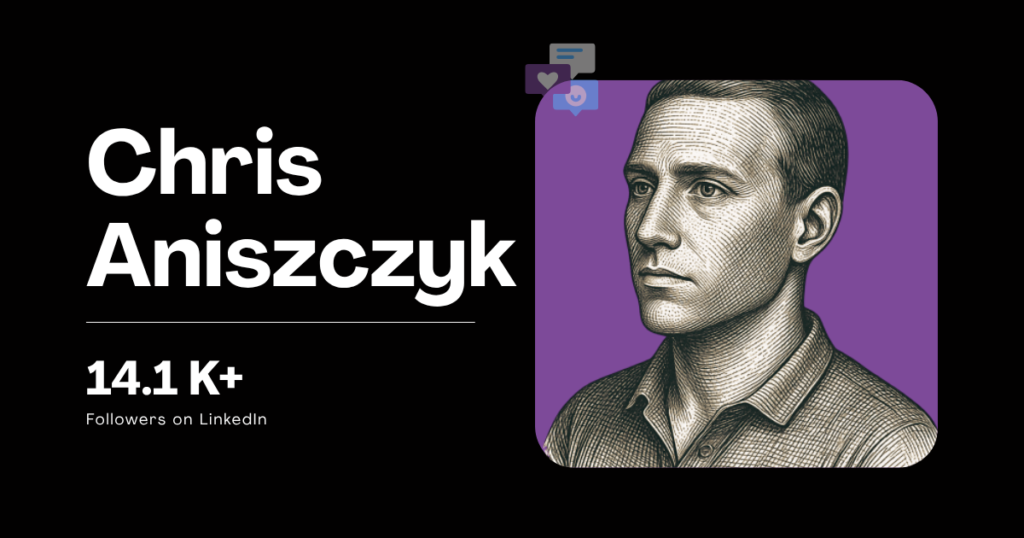
Chris Aniszczyk | CTO and Co Founder, CNCF
As CTO and Co Founder of the Cloud Native Computing Foundation, Chris sits at the center of where Kubernetes and AI infrastructure are converging. He’s been one of the clearest voices on what AI conformance actually means for enterprise workloads and why open, community-driven standards matter as the AI stack matures. Follow him for the institutional view on where cloud-native is headed. Connect with Chris ->
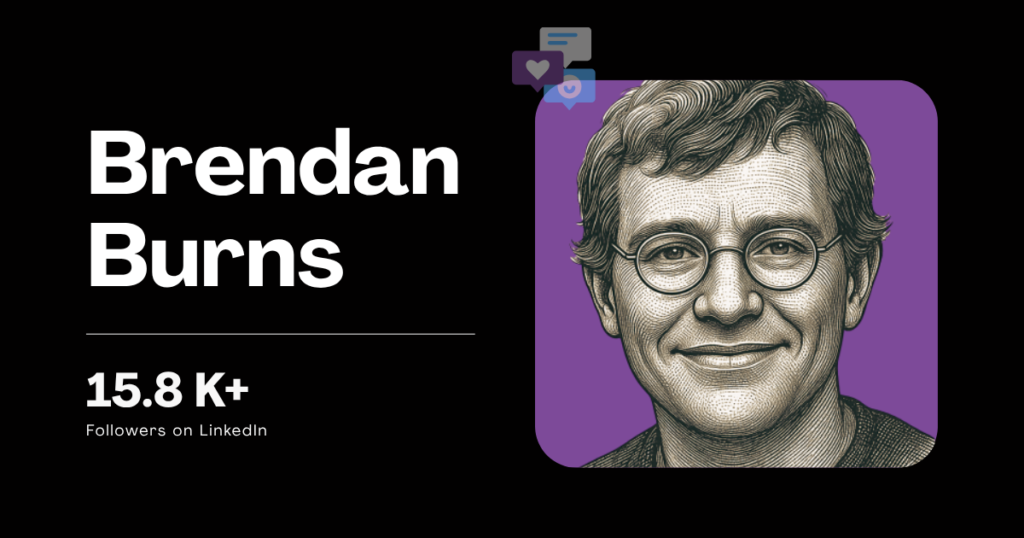
Brendan Burns | CVP and Technical Fellow, Azure Cloud Native, Microsoft
One of the three co-founders of Kubernetes, Brendan now runs the 1,400-person organization at Microsoft responsible for Azure’s container infrastructure. He’s actively publishing in 2026 on what operational maturity looks like for AI infrastructure. He makes the case that AI infra is still in its chaotic phase and that the lessons Kubernetes taught us about running systems safely still apply. Follow him for the long view from someone who has been building this foundation since the beginning. Connect with Brendan ->
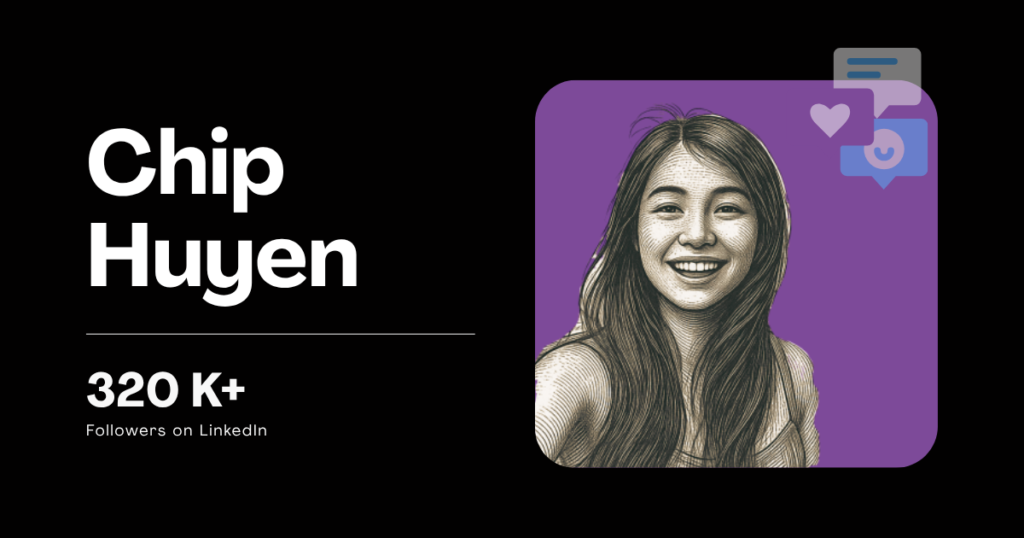
Chip Huyen | Independent / Author, AI Engineering (O’Reilly)
Chip writes with more clarity on ML systems design and inference infrastructure than almost anyone working independently in this space. Her book AI Engineering is required reading for teams moving models from experiment to production. Her newsletter and LinkedIn content consistently cover the operational realities of running AI at enterprise scale: cost, latency, reliability, and the infrastructure decisions that determine whether a deployment succeeds or quietly fails. Follow her for rigorous, practitioner-grounded thinking on AI in production. Connect with Chip ->

Charity Majors | Co-founder and CTO, Honeycomb
Charity pioneered modern observability and has spent the last two years applying that lens directly to AI-native systems. Her work on debugging non-deterministic AI workflows, tracing LLM behavior in production, and understanding what good looks like when your system’s outputs aren’t deterministic is some of the most practically useful content in this space. Follow her for the observability and operational angle on running AI systems in production. Connect with Charity ->

Dylan Patel | Founder and CEO, SemiAnalysis
Dylan built SemiAnalysis into the most cited independent research firm on AI infrastructure economics and tracks GPU supply chains, datacenter buildouts, and inference cost with a level of granularity that hyperscalers and hedge funds pay for. If you want to understand the capital layer underneath enterprise AI infrastructure and where the constraints are, where the costs are going, and what the hardware roadmap actually looks like, there is no better independent source. Follow him for the economics and hardware reality check. Connect with Dylan ->
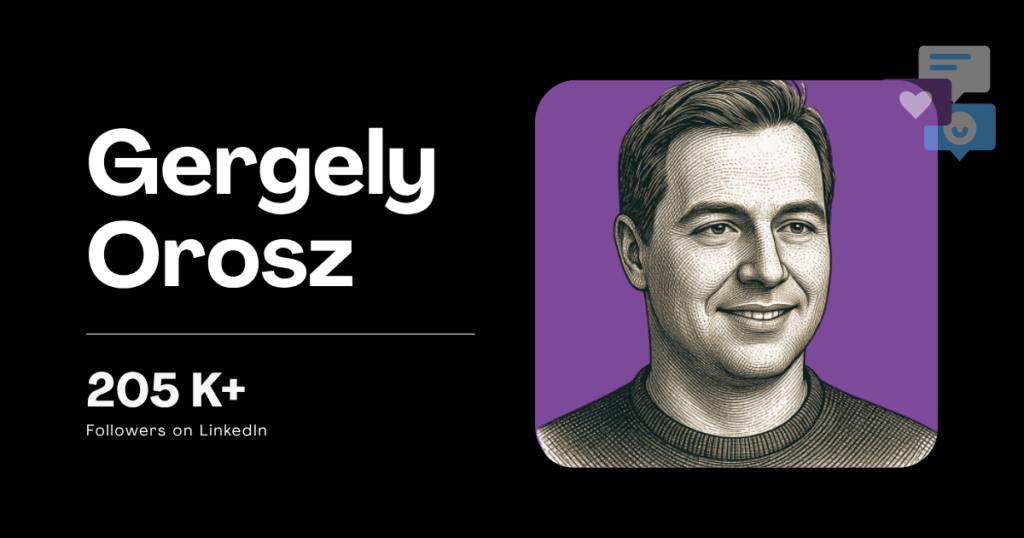
Gergely Orosz | Independent / The Pragmatic Engineer
The Pragmatic Engineer is the most widely read independent engineering newsletter in the world, and Gergely has spent 2025 and 2026 documenting how AI is reshaping how engineering teams build, run, and operate systems at scale. His coverage sits at the intersection of AI tooling, engineering leadership, and the infrastructure decisions that separate teams shipping AI in production from those still running pilots. Follow him for the enterprise engineering perspective on AI adoption at scale. Connect with Gergely Orosz ->
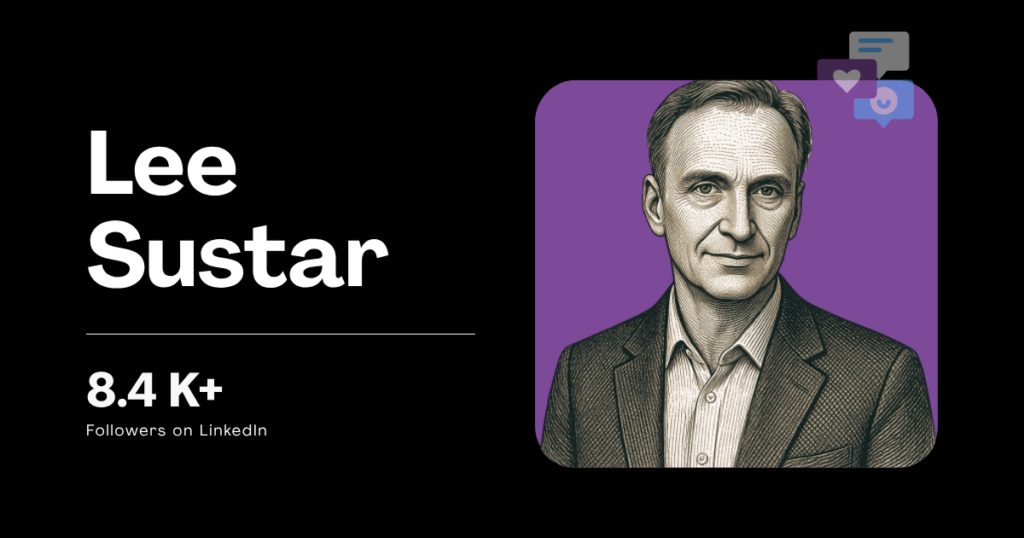
Lee Sustar | Principal Analyst, Forrester
Lee is one of the most consistently useful analyst voices on the Kubernetes and AI-native cloud beat. His KubeCon retrospectives and cloud predictions cut through the vendor noise with grounded enterprise analysis covering where hyperscalers are investing, where open source fits, and what enterprise IT leaders should actually be doing about AI infrastructure in 2026. Follow him for the analyst perspective grounded in enterprise buying reality. Connect with Lee ->
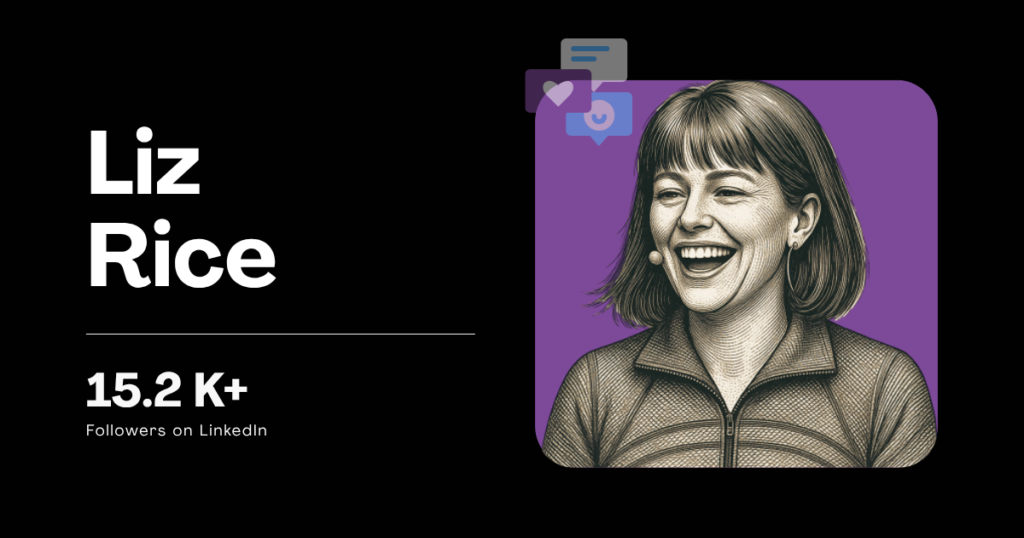
Liz Rice | Chief Open Source Officer, Isovalent (Cisco)
Liz has been a foundational voice in cloud-native security and infrastructure for years, most recently focused on eBPF as the networking and observability layer underpinning modern Kubernetes environments. As AI workloads push harder on networking performance, security, and observability, that work becomes increasingly relevant to anyone running AI at enterprise scale. Follow her for the cloud-native security and infrastructure networking angle. Connect with Liz ->
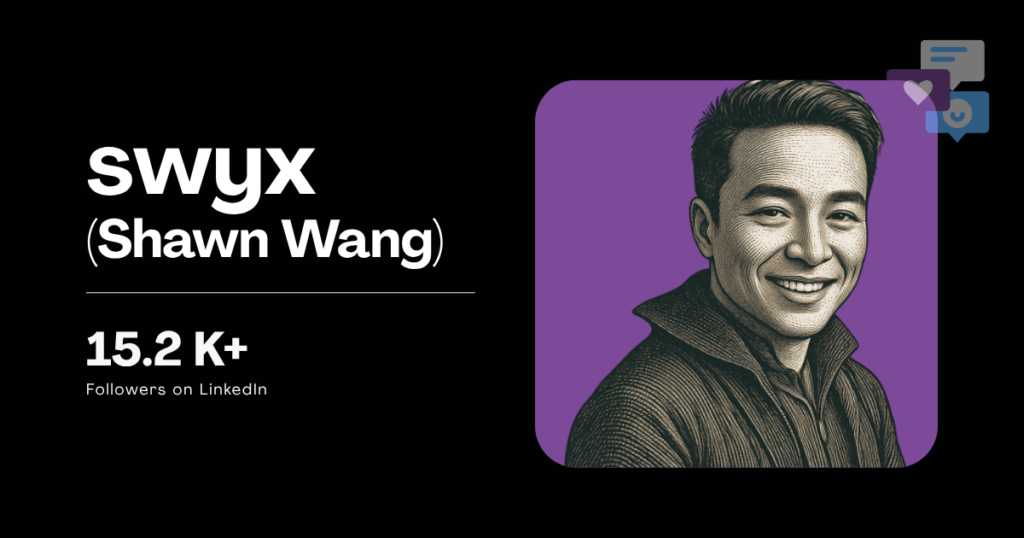
swyx (Shawn Wang) | Co-founder, Latent Space and AI Engineer
swyx runs the Latent Space podcast and the AI Engineer conference series, both of which have become the primary gathering points for practitioners building and operating AI systems in production. His writing covers GPU infrastructure, agent compute, inference optimization, and the engineering decisions that separate AI systems that work from those that don’t. With over 10 million readers and listeners in 2025, he’s the most connected independent voice in the AI engineering community. Follow him for practitioner-level coverage of the AI infrastructure stack from someone embedded in the community building it. Connect with Shawn ->

Viktor Farcic | Developer Advocate, Upbound
Viktor is one of the most prolific writers and speakers on running AI workloads on Kubernetes in practice. His content is hands-on, opinionated, and grounded in what actually works when you move beyond the demo environment. If your team is operating Kubernetes as the substrate for AI workloads, Viktor’s output is consistently worth the time. Follow him for the practitioner view on Kubernetes and AI workloads in the real world. Connect with Viktor ->
This list is published quarterly by Kubex. We optimize for people who are actively publishing on the infrastructure and operations reality of enterprise AI — the runtime, control, and cost layer that determines whether AI creates compounding value or compounding cost.
Know someone who should be on the next edition? Let us know at [email protected].
Table of Contents

Try us
Experience automated K8s, GPU & AI workload resource optimization in action.
Get Started for Free


Get started with Kubex

Enter your email
Error: Contact form not found.
By signing up, you consent to the Terms of Service and Privacy Policy.
Need help? Contact Support